
Tanzania Collects TZS307.8 Billion in Gaming Tax as Gaming Board Plans Central Self-Exclusion Register
Tanzania's gaming tax take reached TZS307.8 billion in the year to June 2026, the Gaming Board says, as it plans electronic self-exclusion and machine checks.
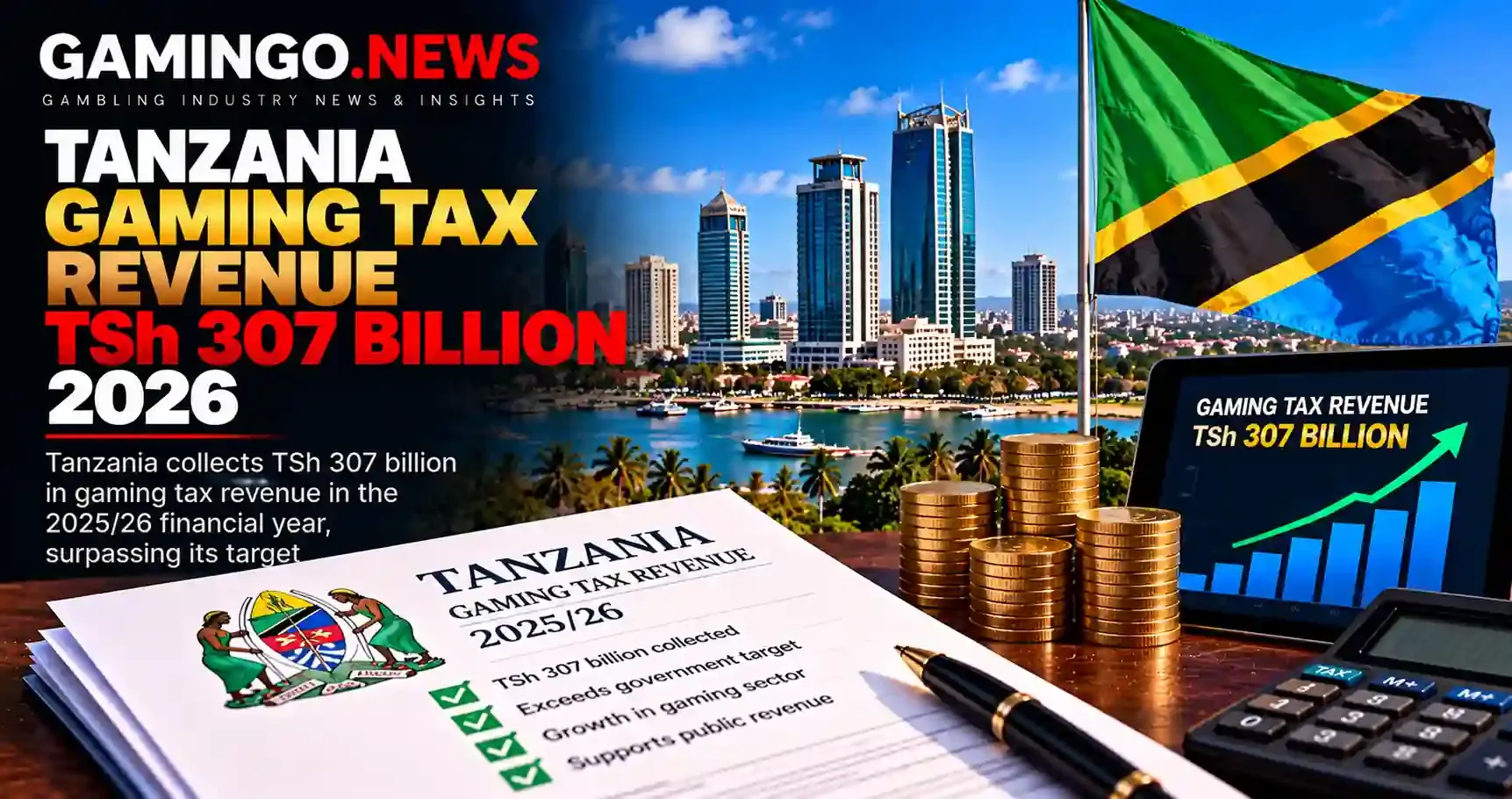
Tanzania's betting and gaming sector paid TZS307.8 billion (about $116 million) in tax in the financial year that ended on 30 June 2026, the regulator's director general, James Mbalwe, said, and the regulator now wants to spend some of that momentum on player protection and on clearing illegal slot machines out of rural areas. The total is about 18% above the previous year and more than double the level of four years ago.
The Gaming Board of Tanzania (GBT) licenses and supervises casinos, sports betting, lotteries and slot machines in mainland Tanzania under the Gaming Act (Cap 41). Mbalwe set out the figures and the board's plans in an interview with iGaming Business published on 30 October.
How fast gaming tax has grown
The tax take has climbed every year since the pandemic. Mbalwe credits wider smartphone ownership, mobile money and a shift to online products; online games now bring in the most revenue, whereas land-based casinos and slot machines led before 2016.
| Financial year (July–June) | Gaming tax revenue | Source |
|---|---|---|
| 2021/22 | TZS130 billion | Ministry of Finance, via Business Insider Tanzania |
| 2024/25 | TZS260 billion | Ministry of Finance, via Business Insider Tanzania |
| 2025/26 | TZS307.8 billion (about $116 million) | Gaming Board of Tanzania, via iGaming Business |
The government said in February that the sector had paid more than TZS900 billion into the Consolidated Fund over five years and employs about 30,000 people. In September, The Citizen reported that the industry was targeting more than TZS300 billion for the current financial year.
The 5% stake tax that did not happen
Operators avoided a sharp tax rise this year. Finance Minister Khamis Mussa Omar's 2026/27 budget, presented to Parliament on 11 June, proposed a 5% excise duty on gambling stakes, a turnover-style tax that operators across Africa argue makes licensed betting uncompetitive. Parliament's Budget Committee removed it from the Finance Bill, TanzaniaInvest reported, and the Gaming Board says the existing tax position is unchanged.
Stake taxes have been contentious elsewhere in East Africa. Kenya has repeatedly changed its excise on betting stakes in recent budgets, and Gamingo has covered its parallel move to ban celebrities from gambling advertising.
Illegal machines and online sites
Enforcement is the board's main stated priority for the next 12 months. It says it seized more than 3,000 unlicensed slot machines, known locally as madubwi, in the past year, and that owners are moving machines to remote villages to avoid inspection. Mbalwe wants district and village officials to flag machines to inspectors.
Online, the board coordinates with the Tanzania Communications Regulatory Authority (TCRA), the telecoms and internet regulator, and the police Cybersecurity Bureau to block unlicensed websites, and plans its own technical tools. It also intends to roll out electronic monitoring of licensed operators to tighten revenue collection.
| Priority | What the board plans |
|---|---|
| Revenue collection | Electronic monitoring of licensed operators |
| Illegal slot machines | Seizures, with local government help in rural areas |
| Unlicensed websites | Blocking with TCRA and police; in-house tools |
| Self-exclusion | Electronic central database, possibly via public-private partnership |
| Legislation | Stronger responsible gambling provisions in the Gaming Act |
Gaps in player protection
Mbalwe conceded that the law is thin on harm prevention. The Gaming Act bans gambling by minors but says little about responsible gambling or player protection. The current self-exclusion process is manual, with the details of excluded players sent around to venues, and the board considers it inadequate. Its answer is a central electronic register that all operators would check, along the lines of national schemes adopted by regulators such as Cyprus with its national self-exclusion platform. No timetable or budget has been published.
A regional role in 2027
Tanzania will host the Gaming Regulatory Africa Forum (GRAF), a network of African gambling regulators, in 2027. Proposed topics include illegal online operators working across borders, online platform services and gaming taxation. Regulators in the region face similar pressures: Uganda launched its National Lotteries and Gaming Regulatory Board in 2025, and Namibia is working through gambling reforms slowed by regulator staffing. South Africa has taken a technology route with its gambling verification portal against unlicensed operators.
What to watch
The board has not given a date for the self-exclusion database or the monitoring system. The next test of the tax take comes with the 2027/28 budget in June, when the stake tax could return.
Status reviewed on 30 October 2026. The 2025/26 revenue figure and the board's plans come from Gaming Board director general James Mbalwe as reported by iGaming Business; earlier years are from the Ministry of Finance as reported by Business Insider Tanzania, and the excise decision from TanzaniaInvest. More finance news and Africa coverage.
Frequently asked questions
How much tax does Tanzania collect from gambling?
The Gaming Board of Tanzania says the sector generated TZS307.8 billion, about $116 million, in tax revenue in the financial year that ended on 30 June 2026. The figure was given by director general James Mbalwe. Government figures put collections at TZS260 billion in 2024/25 and TZS130 billion in 2021/22, so revenue has more than doubled in four years.
Did Tanzania introduce a 5% tax on betting stakes?
No. Finance Minister Khamis Mussa Omar's 2026/27 budget, presented in June 2026, proposed a 5% excise duty on gambling stakes. Parliament's Budget Committee removed it from the Finance Bill, and the Gaming Board says the existing tax position is unchanged. Operators continue to pay under the rates set by the Gaming Act and earlier finance laws.
What is the Gaming Board of Tanzania doing about illegal slot machines?
The board says it seized more than 3,000 unlicensed slot machines in the past year. Owners are moving machines to remote and rural areas, so the regulator wants local government authorities to help find and report them. It also plans electronic monitoring of licensed operators over the next 12 months to strengthen revenue collection and detect illegal activity.
Does Tanzania have a gambling self-exclusion scheme?
It has a manual process in which the details of excluded players are circulated to venues, which the Gaming Board itself considers inadequate. The board plans to replace it with an electronic central database that operators would check, and says it may procure the system through a public-private partnership. No launch date has been announced.