Italy 2027 Budget Gambling Tax: Cabinet Asks the Sector for €700 Million, Slots and Concessions in Focus
Italy's Cabinet approved a 2027 budget that asks gambling for €700 million a year. Slot levies, concession renewals and lottery terms are the likeliest targets.
Italy's Council of Ministers approved a 2027 budget bill of about €26 billion on 28 October 2026 that asks the gambling sector for €700 million, Prime Minister Giorgia Meloni told reporters in Rome, though the government has not yet said which games or taxes will carry the bill. The money is one of several new levies funding tax cuts and higher health spending, alongside more than €5 billion from banks and insurers and about €700 million from energy companies.
Meloni gave the figure at the press conference after the Cabinet meeting. "Dal settore dei giochi arriverà un contributo di 700 milioni di euro" ("the gaming sector will provide a contribution of €700 million"), she said, according to Agipronews. Jamma quoted her as saying the budget was "not a budget against anyone."
What the official documents say
The only official number so far is in Italy's Draft Budgetary Plan (Documento Programmatico di Bilancio, DPB), which the Cabinet approved on 13 October and sent to the European Commission and Parliament. Its coverage table lists "Misure in materia di giochi" (gaming measures) as a permanent revenue item, not a one-off.
| Year | Gaming measures (% of GDP, DPB) | Reported euro value | Financial sector measures (% of GDP) |
|---|---|---|---|
| 2027 | 0.03% | €718 million | 0.21% |
| 2028 | 0.03% | €718 million | 0.13% |
| 2029 | 0.02% | €478 million | 0.10% |
The DPB itself only gives shares of GDP. The euro figures come from Italian press readings of the document and add up to about €1.9 billion over three years. Meloni's €700 million is a rounded version of the 2027 figure. The plan describes the budget as financed in part by measures on "the financial sector and on gaming," without naming them.
The size of the package also grew between the two steps. Teleborsa estimated the DPB package at about €23.5 billion gross; Adnkronos and other outlets put the bill approved on 28 October at about €26 billion.
Where the money is expected to come from
Until the bill's articles and technical report are published, the detail rests on press reports, which point to land-based gaming first.
| Measure | Status | Reported by |
|---|---|---|
| PREU on slot machines and VLTs up 1 percentage point | Reported, not confirmed | Il Sole 24 Ore, Agimeg |
| Three-year paid extensions of machine, betting and bingo concessions, at a higher price | Reported, not confirmed | Il Sole 24 Ore |
| Scratch card (Gratta e Vinci) concession included in extensions | Reported, not confirmed | Il Sole 24 Ore |
| A fifth weekly Lotto draw | Described as a possibility | Il Sole 24 Ore |
| Contribution from lottery commissions and online gaming | Reported before the Cabinet meeting | Milano Finanza |
PREU (prelievo erariale unico) is the levy on money staked in Italian gaming machines. It is collected by the Customs and Monopolies Agency (Agenzia delle Dogane e dei Monopoli, ADM), the national gambling regulator. According to Agipronews, Il Sole 24 Ore puts the total of these measures above €900 million a year, more than the DPB figure.
Concessions are an obvious lever. Land-based licenses for gaming machines, retail betting and bingo run out on 31 December 2026, and a plan to redraw where venues may operate stalled after the national government and the regions failed to agree. Without a tender, Rome has to extend the existing concessions and can charge for doing so. According to iGaming Business, the current paid extension brings in about €232.76 million a year.
Lotteries are harder to touch. IGT's LottoItalia consortium won the Lotto concession in 2025; its nine-year contract fixes the retailer and operator commission at 6%, so cutting it mid-term would be legally awkward.
Online operators watch the fine print
Italy's online licensees have their own exposure. Each paid €7 million for a nine-year license under the online licensing reform that ADM opened to bidders, and the new regime went live in November 2025. Licensees also pay a yearly concession fee of 3% of net margin and must certify their systems under new technical rules by 15 February 2027.
Lawyers quoted by iGaming Business expect most of the burden to fall on machines and concession renewals. Some argue the licensing law promises online operators a stable tax regime for the length of their concessions, and that a new levy would damage trust in the system. Operators also cannot easily recoup costs through marketing, because the 2018 Dignity Decree bans gambling advertising, a rule that Italy's sports decree raised the prospect of reforming.
Industry warns of closures and a bigger black market
EGP-Fipe, the gaming association within the Fipe Confcommercio business federation, said a higher machine levy would make at least 20% of specialized gaming halls unprofitable. It cited a 2025 Ministry of Economy and Finance report showing gaming takings down almost 35% from 2019, a loss of about €1.4 billion for the state, and called for tenders on schedule rather than repeated paid extensions.
Receipts were already weakening. Italy's gambling tax revenue fell for the first time in 2024, and iGaming Business reports that the Court of Auditors estimates a further drop of about €200 million in the first eight months of 2026. Giulio Coraggio of DLA Piper told the outlet he doubts the target can be met "in the way the government expects," warning that thinner margins push players to offshore sites that pay no Italian tax.
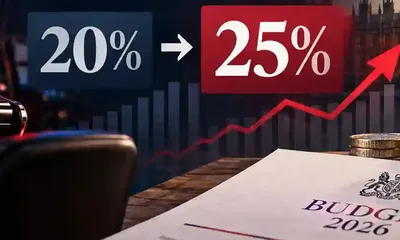
Italy is not alone. On the same day, UK Chancellor John Healey's Budget delivered a Machine Games Duty rise from 20% to 25%, and a 1% EU-wide iGaming levy has been floated in Brussels.
What happens next
The bill goes to the Chamber of Deputies first this year. Its Budget Committee will hold hearings and vote on amendments, with a floor vote expected in early December, before the Senate takes it up. Parliament must approve the budget by 31 December 2026, or Italy moves to a provisional budget. Operators will only know which segments pay, and how much, once the gambling articles and their technical report are published.
Status reviewed on 29 October 2026. The gaming share is taken from Italy's Draft Budgetary Plan and the Prime Minister's statement; individual measures are attributed to the outlets that reported them and are not yet confirmed in the bill's text. More legislation news and EMEA coverage.
Frequently asked questions
How much will Italy's 2027 budget raise from gambling?
Prime Minister Giorgia Meloni said on 28 October 2026 that the gaming sector will contribute €700 million. Italy's Draft Budgetary Plan, sent to the European Commission in October, books gaming measures at 0.03% of GDP in 2027 and 2028 and 0.02% in 2029. Italian press reports convert this to €718 million a year for two years and €478 million in 2029, close to €1.9 billion in total.
Which gambling taxes is Italy raising in the 2027 budget?
The government has not yet published the gambling articles of the budget bill. Italian outlets including Il Sole 24 Ore report a one-percentage-point rise in PREU, the levy on slot machine and VLT stakes, plus three-year extensions of land-based concessions at a higher price. Milano Finanza reported that lottery commissions and online gaming could also be tapped. None of this is confirmed in the official text.
What is PREU in Italy?
PREU (prelievo erariale unico) is the single state levy charged on money staked in Italian gaming machines, both AWP slot machines in bars and venues and the VLTs found in dedicated gaming halls. It is collected through the Customs and Monopolies Agency (ADM), Italy's gambling regulator. Because it is applied to stakes, a one-point rise takes a direct slice of venue and operator margins.
When will Italy's 2027 budget become law?
The Council of Ministers approved the bill on 28 October 2026. It now goes to Parliament, starting this year with the Chamber of Deputies, where the Budget Committee holds hearings and votes on amendments. The Senate then reviews it. Parliament must approve the budget by 31 December 2026, or Italy falls back on a provisional budget. The gambling measures can still change during that process.
Will Italy's online gambling licensees pay more tax?
It is not yet clear. Milano Finanza reported that online gaming could share the burden, while lawyers quoted by iGaming Business expect most of it to land on land-based machines and concession fees. Online operators paid €7 million each for nine-year licenses in the market that opened in November 2025, and some advisers argue the concession terms promise them tax stability.