
Legislation
Greece Tightens Illegal Gambling Laws

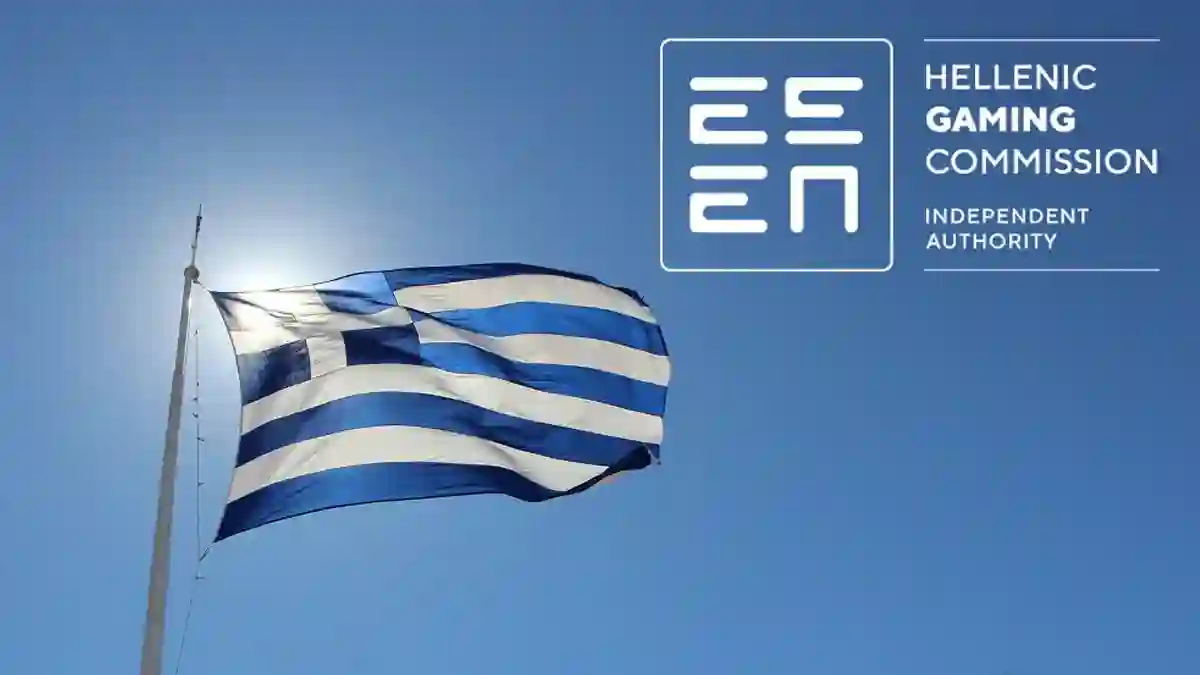
The Greek government is drafting major new legislation to dismantle illegal gambling at its core.
The bill envisions severe penalties, including long prison terms and steep fines for unlicensed operators and players alike.
These changes promise better protections for minors, stronger enforcement tools for regulators, and a more credible, transparent market overall.
Operators and players in Greece need to prepare now—compliance is becoming not only recommended but essential for survival.
Greece Moves to Crush Illegal Gambling with Tighter Penalties and Enforcement
Greece Battles Rogue Gambling: Sharper Laws, Bigger Fines, Straighter Enforcement
In recent years, Greece has faced a persistent surge in unlicensed gambling. Now, the government is preparing a sweeping legislative crackdown to curb illegal play, protect vulnerable players, and restore trust in the regulated market. Draft proposals on the table would impose much harsher penalties on operators and players alike, potentially reshaping the Greek gambling landscape.
Harsher Penalties for Operators
The Ministry of Economy and Finance, in conjunction with the Hellenic Gaming Commission (EEEP), is intensifying its stance against illegal gambling.
Under the proposed framework:
- Operators running unlicensed gambling activities could face a minimum of three years in prison.
- Courts would have the authority to impose up to ten years of incarceration for severe violations.
- Financial penalties could range from €50,000 to €100,000.
- Municipalities would gain the power to close down illegal venues immediately or long-term.
- Licences for authorised operators could also be rescinded if illegal operations are discovered on their premises.
These provisions target both online and physical unlicensed gambling. For physical venues like internet cafés, often linked to illicit activity, new licensing requirements and tighter supervision are envisaged.
The bill also aims to make substantial revisions to the regulatory checks process. Officials would be able to act more swiftly, and interference with regulatory inspections could itself become a criminal offence carrying at least three years in prison.
Penalties for Players
The proposed laws are not limited to operators. Individuals who participate in unlicensed gambling would face:
- Up to two years imprisonment and a fine.
- Repeat offenders could face at least two years behind bars and fines between €5,000 and €20,000.
This is a notable shift. Historically, enforcement has focused on operators. Now, the law appears ready to hold players accountable too—especially those who repeatedly ignore regulatory warnings.
This more aggressive approach reflects a broader global trend of imposing personal accountability for participation in unregulated gambling activity.
Government’s Holistic Strategy
Minister of National Economy and Finance Kyriakos Pierrakakis said the government intends to build a “holistic framework” that tackles illegal gambling “at its root.”
He emphasised that the legislation would:
- Reflect technological realities, including the prevalence of online gambling.
- Incorporate input from industry stakeholders, regulators, and law enforcement.
- Better protect minors, vulnerable players, and bettors at risk.
This framework aims not just to penalise, but to deter. Stronger enforcement mechanisms and sharper penalties are seen as essential tools in reducing the appeal of unlicensed platforms.
The Scale of Greece’s Illegal Gambling Problem
Research by Kapa paints a stark picture of the illegal gambling market in Greece in 2023 and 2024:
- The illegal gambling sector was valued at €1.67bn in 2023.
- Greek state revenue losses due to unregulated play were estimated at €500m.
- In 2024, roughly 900,000 Greeks wagered a combined €1.7bn through illegal channels.
- The average spend per player was €1,930.
- About 10% of participants were aged 17–21, highlighting youth exposure.
- Illegal online gambling accounted for €1bn, while €700m came from land-based illicit gambling.
These figures underscore the urgency behind legislative reform. They also help explain why the government is moving quickly to strengthen penalties and enforcement.
Why Stronger Laws Matter
In my analysis as a gambling professional, Greece’s renewed focus on stringent regulation is both understandable and necessary. High levels of unlicensed gambling erode tax revenues, undermine licensed operators, and expose consumers to unregulated risk.
Moreover, the significant participation of younger players highlights a public protection issue that cannot be ignored. Empirical evidence suggests that access to licensed, regulated gambling environments correlates with lower harm among vulnerable groups.
By extending liability to players as well as operators, Greece is signalling that illegal gambling is a societal issue—not just a commercial one.
What Operators Should Do
Operators active in Greece must adapt to this evolving landscape. Key actions include:
- Ensuring full compliance with Greek licensing requirements.
- Regularly auditing marketing channels for unlicensed exposure.
- Strengthening age verification and anti-addiction systems.
- Preparing proactive risk assessments to show regulators.
- Staying informed of legal reforms and enforcement trends.
Non-compliance is increasingly expensive—not only in fines but in reputational damage.
Greece’s push to increase penalties for unlicensed gambling is more than a legislative update; it’s a strategic shift towards stronger regulation and consumer protection. The combination of heavy fines, prison terms, and expanded enforcement powers reflects a new era of accountability for operators and players alike.
For the industry, compliance is no longer optional. Whether you run a licensed platform or participate as a bettor, understanding and respecting regulatory boundaries will be imperative in the years ahead. Greece’s approach could serve as a model for other jurisdictions aiming to confront illegal gambling head-on, balancing market growth with social responsibility.
Tags: Greece, illegal gambling, regulation, penalties, Hellenic Gaming Commission, online gambling


Lagos Just Taxed the Moment of Joy with 5%

France Switches On JONUM

Malaysia’s Next Anti-Gambling Law

Spain’s iGaming “Reset” in 2026

Maine Moves to Ban Sweepstakes Casinos

Nigeria’s Gambling Standoff: 2026 Could Finally Deliver a “Playable” Rulebook

Poland’s “Protective” Monopoly Isn’t Stopping the Black Market — It’s Capping Control

A 1% EU iGaming Levy? Brussels Just Put Online Gambling on the Budget Menu

Armenia Gambling Law Reform

Greece Tightens Illegal Gambling Laws

Michigan Gaming Board Seizes Illegal Gambling Machines in Saginaw

Curacao’s Online Gambling Industry in Limbo: Parliament Rejects LOK Law

Global Gaming Awards EMEA: Celebrating Industry Excellence in London

The rules for suspension of gambling licenses in Ukraine are set to undergo reform

San Diego Padres pitcher Joe Musgrove has extended his partnership with Sycuan Casino

Las Vegas Strip Revenue Surges to $712.4M in February

Betsson has obtained its third regional license in Argentina

Hard Rock Lake Tahoe will be acquired by Fertitta Entertainment

White Hat Studios launches online casino products in Pennsylvania in partnership with Caesars
