US Supreme Court Deliberates FL Sports Betting Case
Legal battle over Florida sports betting escalates to US Supreme Court, highlighting complexities and potential impacts on gambling industry.

Navigating the Legal Labyrinth: The Battle Over Florida Sports Betting Reaches the Supreme Court
The stakes have never been higher in the world of Florida sports betting. As the Department of Interior (DOI) seeks an extension from the US Supreme Court, the legal landscape of gambling is on the brink of a monumental shift. At the heart of this battle is the Seminole Tribe's exclusive right to operate sports betting under the contentious "hub-and-spoke" model. This case not only challenges the boundaries of federal and state gambling laws but also sets a precedent that could reshape the gambling industry nationwide. Stay engaged as we unravel the intricate legalities, stakeholder interests, and potential ramifications of this groundbreaking case.
The Extension Request: A Critical Juncture
The DOI has sought more time to consolidate its position, requesting to postpone its response to the Florida parimutuel operators' appeal until May 12. This extension indicates the complexity of issues at stake and underscores the DOI's commitment to a thorough review process. Legal analysts suggest that this delay could push the Supreme Court's decision into the 2024-2025 term, introducing a period of uncertainty and anticipation within the gambling sector.
The Seminole Compact: A Controversial Framework
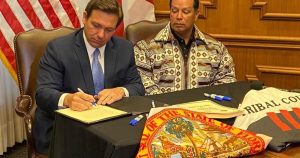
At the dispute's core lies the Seminole Tribe's gaming compact with Florida, green-lit by DOI Secretary Debra Haaland. This agreement granted the tribe a de facto monopoly over sports betting across the state via the innovative yet contentious "hub-and-spoke" system. This arrangement, which funnels off-reservation bets through tribal land servers, has sparked a legal debate over its alignment with the Indian Gaming Regulatory Act (IGRA) and broader federal statutes.
Legal Implications and Industry ImpactThe Debate over Federal Laws: Critics argue the compact breaches the IGRA, the Unlawful Internet Gaming Enforcement Act, and the equal protections clause of the Fifth Amendment. The central question is whether facilitating off-reservation bets via tribal servers stretches the IGRA's intent beyond its legal confines.
The Ripple Effect on the Gambling Industry: The outcome of this case could dramatically alter the sports betting landscape in Florida and beyond. A ruling in favor of the Seminole Tribe might encourage other states to explore similar agreements, potentially transforming the regulatory framework governing the US gambling industry.
The Technological Tangle: The "hub-and-spoke" model also raises significant technological and regulatory questions. Its validation could lead to innovative gambling infrastructures nationwide, challenging traditional paradigms of where and how betting can occur.
Stakeholder Perspectives: A Multifaceted DebateThe DOI's Stance: The DOI's approval of the compact and subsequent regulation endorsement reflects a broader federal acceptance of innovative gambling models. However, the request for an extension underscores the legal complexities and the need for careful deliberation.
The Opposition's Concerns: Parimutuel operators, represented by West Flagler Associates and the Bonita Fort Myers Corporation, fear the compact's monopoly could disadvantage other gambling entities. Their legal challenge emphasizes the need for a competitive, fair gambling marketplace.
The Seminole Tribe's Position: For the Seminole Tribe, the compact represents not just an economic opportunity but a reaffirmation of tribal sovereignty and the right to self-determine gambling operations within their jurisdiction.
Looking Ahead: Potential Outcomes and Industry Implications
As the Supreme Court deliberates, the gambling industry watches closely. A decision to uphold the Seminole compact could herald a new era of tribal gaming operations, encouraging similar agreements nationwide. Conversely, a ruling against it might necessitate a reevaluation of tribal gambling rights and state compacts, with wide-reaching effects on the regulatory landscape.
Conclusion: A Pivotal Moment in Gambling Law
The Florida sports betting case represents a critical juncture in the intersection of tribal rights, state legislation, and federal gambling regulations. Its outcome could redefine the boundaries of gambling law, reshape industry dynamics, and set new precedents for the future of sports betting in the United States. As stakeholders await the Supreme Court's decision, the gambling world stands at the cusp of potentially transformative changes, marking a significant chapter in the ongoing saga of American gambling law.
- DOI
- Florida Sports Betting
- Gambling Industry
- Gaming Compact
- IGRA
- Legal Battle
- Parimutuel Operators
- Seminole Tribe
- US Supreme Court